All IAAT members are encouraged to maintain and continue to develop their professional knowledge and skills. Whether you’re a member or non member looking for continuous progression of capability and competence, our range of CPD courses will assist you in your learning and development.
Dive deeper into your professional development with our curated selection of External CPD Courses. Run by external trainers and collaborators, these courses are designed to complement your learning journey.
A live demo of Equicantis with Q&A, Wednesday 22nd May at 6pm via Zoom. Equicantis is an admin and business management system integrated with equine and canine exercise prescription for animal physical therapists.
Thursday 13th June at 6pm via Zoom. Find out more about Kinesiology with a Q&A with Christa from Hestaband. Humans have been using elastic training tape for years, so it was only a matter of time until it transferred to equestrian and canine sports.
£100.00Original price was: £100.00.£70.00Current price is: £70.00.
IAAT Members £60
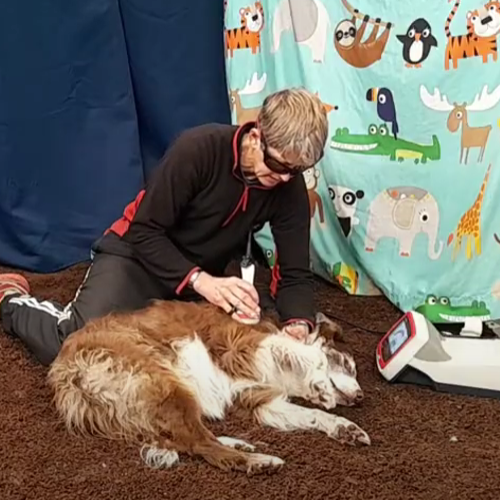
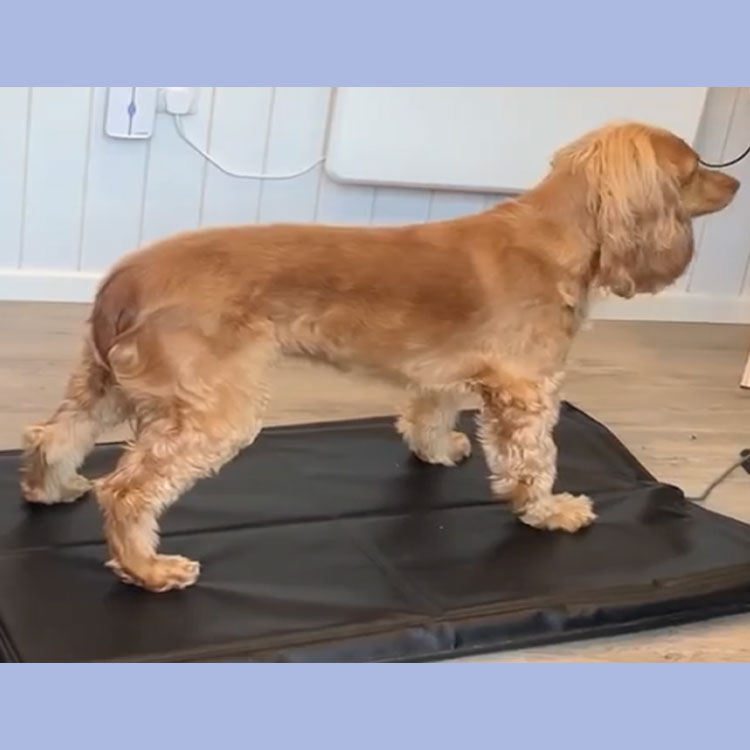
*** MAY CPD DISCOUNT *** A 3.5hr recorded CPD. Looking into the science, technology, advancements, and uses of all the therapeutic equipment that we can offer our furry patients! Case studies, practical settings, and indications.
£30.00Original price was: £30.00.£20.00Current price is: £20.00.
IAAT Members £20
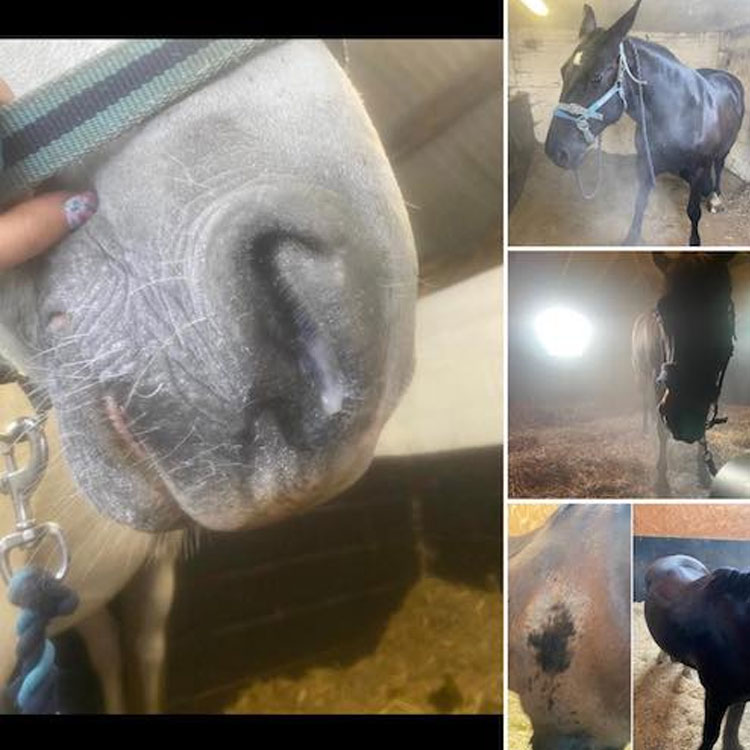
*** MAY CPD DISCOUNT *** A 1hr recorded CPD. Equine Salt Therapy is a therapy which can provide relief from the symptoms of respiratory, sinus and skin conditions.
Professional Canine Massage Course runs over 6 Months starting in Sept 24 – Available to members and non-members. Highly practical building hands-on experience, skills and underpinning knowledge.
A 2.5hr CPD Recording: Seminar filmed at Kate Clapperton’s clinic, where she invited sporting/working dog handlers and rehab clients to come along and see how she carries out assessments.
A 6hr CPD Recording: Seminar filmed at Kate Clapperton’s clinic, where she invited sporting/working dog handlers and rehab clients to come along and see how she carries out assessments.
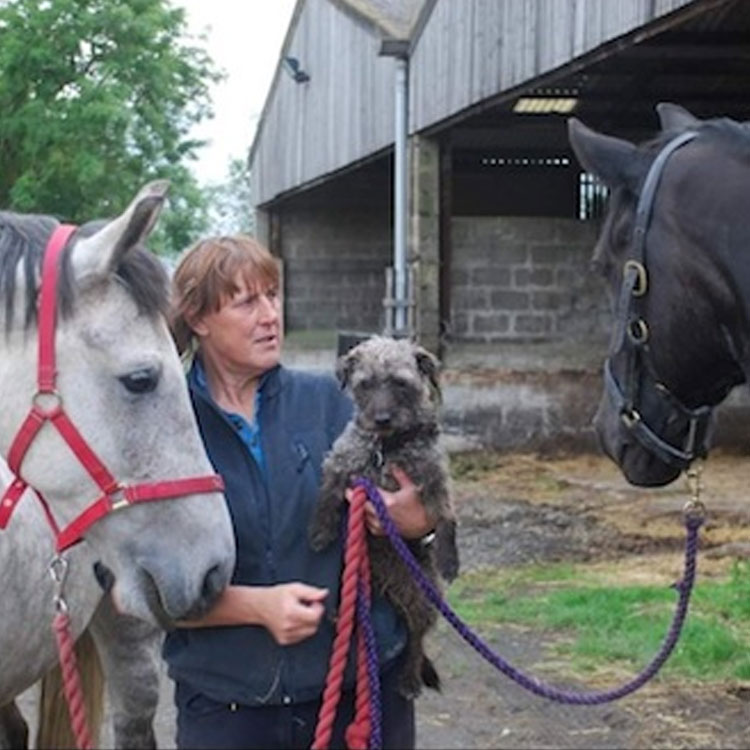
A 1hr recorded CPD. Katie will discuss equine rehabilitation techniques specifically relating to exercise prescription and explore the importance of strength and conditioning for horses.
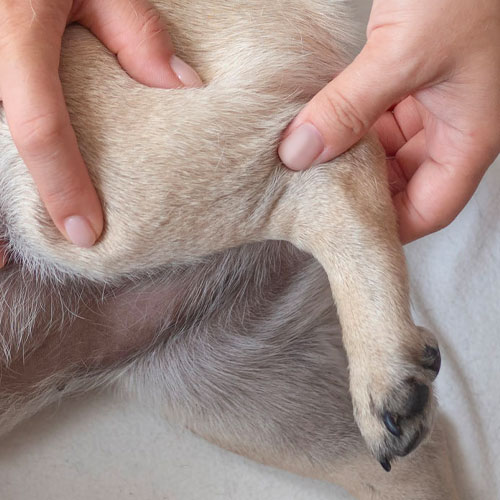
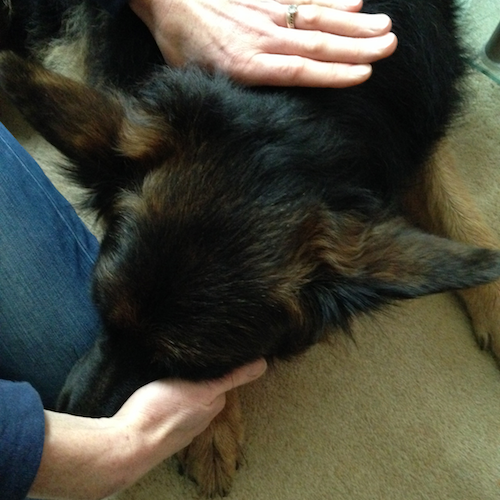
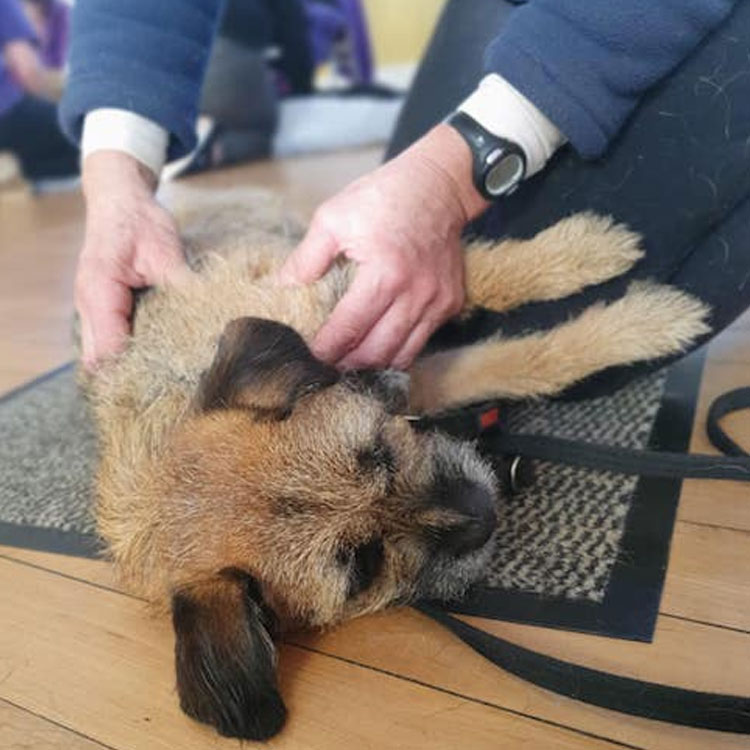
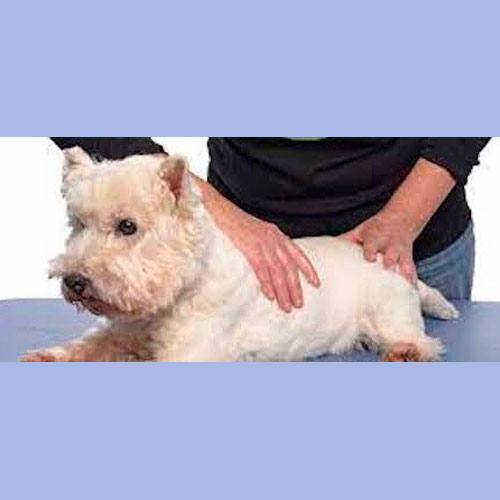
A 1.5hr CPD Recording. The Canine Bowen Technique (CBT) is a highly effective but gentle, non-invasive, hands on, holistic approach that helps promote pain relief, reduces stress and rebalances your dog.
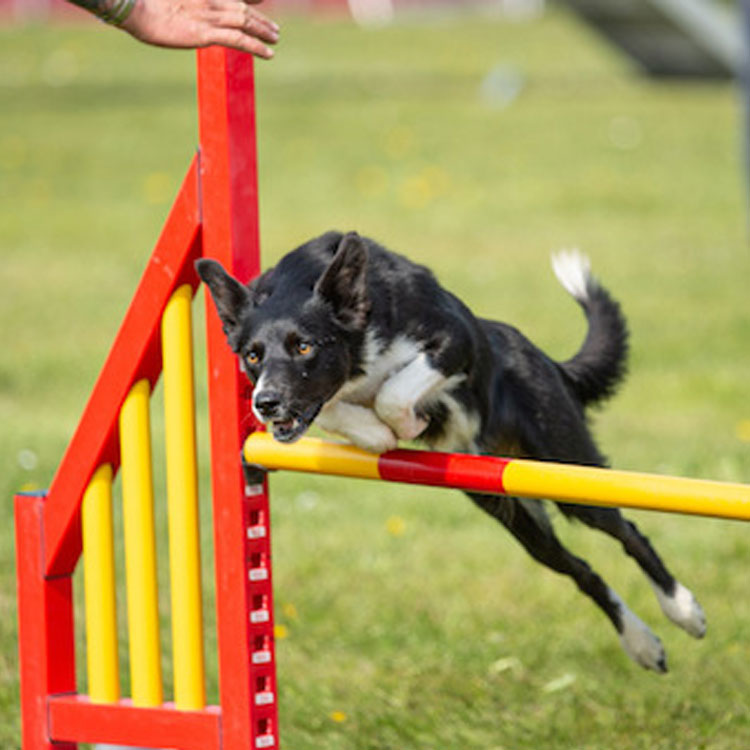
A 1.5hr recorded CPD. Join Lisa where she will discuss the competitive demands placed upon the canine, along with the impact stress has on the competition dog.
At IAAT we would like our members to complete approx 25 hours per year, however, it is appreciated that most of our members will do considerably more than this.
When becoming a member of IAAT a form will be provided for you to complete when renewing your membership at the end of each year.
Some key categories are outlined below for your information however please include any others that may be relevant
Short courses. e.g. Biomechanics, additional therapy skills, wound management.
External conferences, seminars and AGMs. e.g. Horses Inside Out Conference, BEVA Congress, ISAMP, ESMA
Studying for additional qualifications. e.g. MSc, BSc, Diploma
Active committee work for a professional body. e.g. IAAT or other organisation
Acquisition of knowledge from Journals and Webinars. e.g. Reading Horses Health, EVJ, BVNA, EVE or watching BEVA Webinars. In which case evidence of reading will be required in the form of a brief written review of the article.
Developing or teaching others. e.g. Writing an article, doing an informative talk to a local group, assisting another therapist, preparing a lecture or presentation.
Writing up detailed case histories.
Personal professional development. e.g. discussion with fellow practitioners about problem solving, reflective learning.